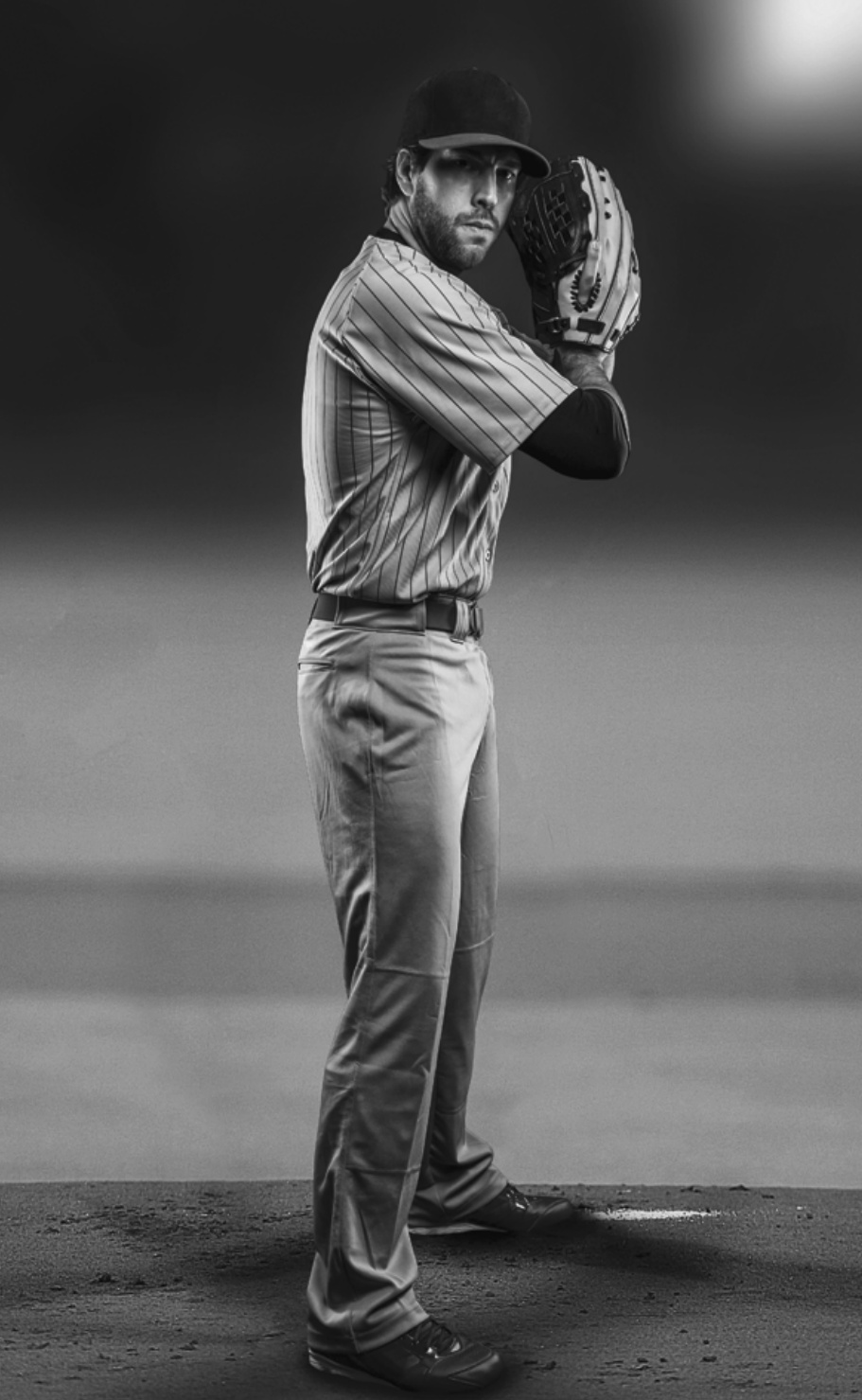
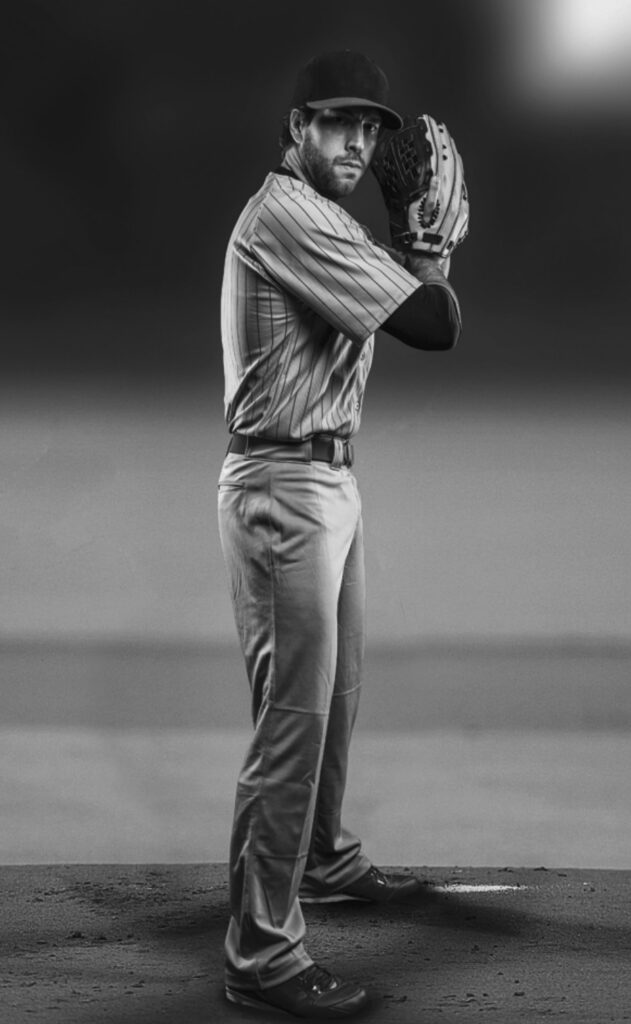
Twenty years ago, silence in a ballpark meant trouble-an 0-2 count gone wrong, a hanging curveball, a line drive screaming into the gap. Now, in the early morning of an empty stadium, silence felt like a question.
Tom “Lefty” Callahan stood on the mound long before batting practice, his spikes digging into dirt he’d known better than most people. The grounds crew hadn’t finished chalking the lines yet. The seats were empty, but he could still hear the echoes-crowds rising, the low hum before a full count pitch, the roar after a strikeout looking.
He rolled the ball in his palm. Same four seams. Same white leather. Different hand. The trainer had told him his velocity was down three miles per hour. The manager said they could manage his innings better this year. The front office hadn’t said much at all.
Forty years old in a game that worshipped twenty-five. He went into his windup slowly, no batter in the box, no catcher giving signs. Just muscle memory. His shoulder barked-not sharp pain, just a tired reminder. The pitch smacked into the net behind home plate. “Still got life,” he muttered. But did he?
Last season had been uneven. Brilliant in stretches. Brutal in others. One night he’d painted corners like an artist; the next he couldn’t escape the fourth inning. Reporters had started asking “Have you thought about retirement?” with careful voices, like they were discussing a family illness.
He had thought about it. He thought about waking up in April without the ache. About watching Opening Day from his couch. About not chasing hitters young enough to be his sons. He also thought about the ninth inning in September, two outs, tying run on third. The crowd on its feet. The rookie catcher jogging to the mound, eyes wide, asking what to throw. “Fastball,” Tom had said. “Even if-” “Especially if.”
He’d reared back and thrown the hardest pitch he’d thrown all year. Strike three. The stadium had shaken. In that moment, he hadn’t been forty. He’d been timeless. A gull cried somewhere above the upper deck. The sun crept higher, lighting the infield in gold. One more year in the sun. That’s what his wife had called it. “If you’re done,” she’d said gently at the kitchen table in October, “be done. But if you’re not … don’t quit because someone else thinks you should.”
He bent, scooped a little dirt, rubbed it between his fingers. He knew the odds. Another year might tarnish the numbers. Another year might end with an injury, or worse, irrelevance. But another year might mean teaching that rookie how to read a hitter’s front shoulder. Another year might mean one more pennant chase. Another year might mean one more October night when the ball felt light and the arm felt young.
He toed the rubber again. This time, he didn’t baby the motion. He drove off his back leg, felt the familiar whip through his torso, the clean snap of release. The ball popped the net hard. He smiled. The radar gun wouldn’t tell the whole story. It never did.
The clubhouse door creaked open behind him. A couple of younger pitchers stepped onto the field, laughing, carrying gloves that still looked new. “Morning, Lefty!” one of them called. He turned, squinting in the rising light. “Morning,” he answered.
Retirement would come. He wasn’t foolish enough to think otherwise. But as the sun climbed over the stands and the field came alive around him, he realized something simple:
He wasn’t finished teaching. He wasn’t finished competing. He wasn’t finished loving this game.
And until one of those things changed, he figured he had one more year in the sun.